How Martinsburg’s Clay Soil Impacts Your Gutter System
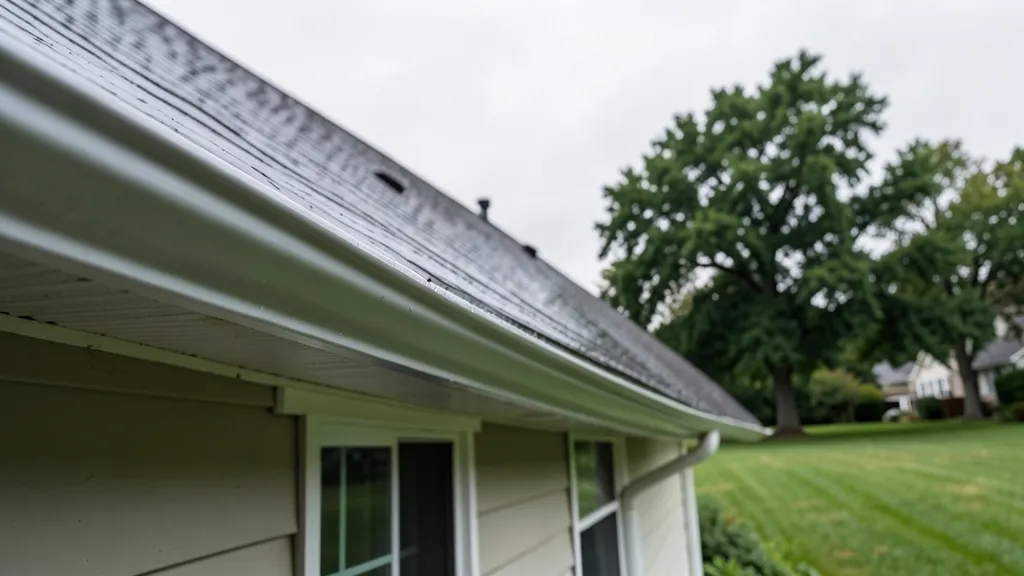
Martinsburg’s heavy clay soil doesn’t just make gardening tough—it wreaks havoc on gutters. When rain hits packed clay, runoff carries fine sediment that hardens into stubborn clogs, accelerating wear on your entire system. We see it firsthand after every storm season.
Why Clay Soil Is a Gutter’s Worst Enemy
Clay particles are microscopic but mighty. Unlike sandy or loamy soil, clay binds tightly, resisting water absorption. During heavy rains, water pools and races off your roof with force, carrying that dense silt straight into your gutters.
Once inside, the sediment settles and dries into a cement-like paste. This isn’t just a clog—it’s a structural threat. Over time, the weight can pull gutters away from fascia, and the blockage forces water to overflow, damaging siding and foundations.
The Domino Effect on Downspouts and Drainage
Clogged gutters mean downspouts can’t do their job. In areas like Hedgesville or Inwood, where clay content is high, we often find downspouts completely sealed by compacted mud. Water then backs up, spilling over the sides or seeping under shingles.
Even if gutters are clear, clay-heavy runoff can erode the ground below downspouts. Without proper splash blocks or extensions, you’ll see gullies forming near your home’s foundation—especially after the freeze-thaw cycles of a West Virginia winter.
Overflow from clay-clogged gutters can saturate soil around your foundation, leading to cracks or basement leaks. Act before the next storm hits.
Clay vs. Other Soil Types: How Your Gutters Fare
Not all soil challenges gutters the same way. Sandy soil drains fast but carries grit that can scratch gutter linings. Loam is gentler, but Martinsburg’s clay is the most aggressive—it sticks, hardens, and refuses to budge without intervention.
| Soil Type | Clog Risk | Drainage Speed | Gutter Wear |
|---|---|---|---|
| Clay | Very High | Slow | High (weight, abrasion) |
| Sandy | Moderate | Very Fast | Moderate (abrasive particles) |
| Loamy | Low | Balanced | Low |
| Silty | High | Moderate | Moderate (fine sediment) |
Seasonal Shifts: When Clay Soil Strikes Hardest
Spring and fall are critical. Spring rains loosen winter’s compacted clay, sending sludge into gutters. Fall’s leaf drop mixes with that clay, creating a near-impenetrable mat. In neighborhoods like Falling Waters, tree cover worsens the problem.
Winter brings its own issues. Clay retains moisture, which freezes and expands in gutters. This can crack seams or bend sections, requiring gutter repair or resealing come spring. Ice dams often form where clay clogs block proper drainage.
Signs Your Gutters Are Losing the Battle to Clay
Overflow during light rain is a red flag. If water spills over gutters when it shouldn’t, clay buildup is likely. Sagging sections or gutters pulling away from the roof are late-stage warnings—by then, fascia damage may already be occurring.
Check downspouts after storms. If water drips but doesn’t flow freely, or if you see mud cakes at the outlet, clay is the culprit. In commercial properties around Bunker Hill, we often find entire drainage systems compromised by the same issue.
Clay Clog Warning Signs
- Water overflowing gutters in light rain
- Visible mud or sediment in downspouts
- Sagging or detached gutter sections
- Erosion or gullies below downspouts
- Stains on siding directly under gutter seams
Proactive Solutions for Martinsburg Homeowners
Regular gutter cleaning is non-negotiable. We recommend at least twice a year—spring and fall—but homes in clay-heavy zones like Spring Mills may need quarterly service. Add gutter guards to reduce sediment entry, though no guard is 100% clay-proof.
Improve drainage around downspouts. Extend them at least 5 feet from the foundation and add splash blocks. For severe cases, consider French drains to redirect runoff. These steps ease the burden on your gutters and protect your landscape.
Micromesh guards work best against fine clay particles. Reverse-curve or screen types may still let silt through. Pair guards with routine inspections.
When to Call in the Pros
If gutters are sagging, seam separations are visible, or downspouts are completely blocked, DIY fixes often fall short. Our team uses high-pressure flushing and specialized tools to break up clay clogs without damaging gutters.
Post-storm inspections are wise, especially after heavy rains. We check for hidden damage—like loose hangers or corroded sections—that clay buildup can accelerate. Catching these early prevents costlier gutter repair or replacement.
How to Safely Check for Clay Clogs in Your Gutters
A quick inspection can reveal early signs of trouble before they escalate.
- 1Wait for Dry Weather
Never inspect gutters when they’re wet or icy. Clay clogs are easier to spot—and safer to handle—when dry.
- 2Use a Ladder Stabilizer
Lean ladders against the fascia, not the gutters themselves. Clay buildup can make gutters top-heavy and unstable.
- 3Look for Sediment Lines
Shine a flashlight inside. A visible line of dried mud along the bottom signals clay accumulation.
- 4Test Downspout Flow
Pour a bucket of water into the gutter. If it doesn’t exit the downspout quickly, a clay blockage is likely.
- 5Check the Ground Below
Erosion or mud splatter at the downspout base confirms poor drainage. This often traces back to clay clogs above.
Frequently Asked Questions
Does Martinsburg’s clay soil mean I need gutter cleaning more often?
Yes. Clay’s fine particles clog gutters faster than other soil types. We recommend at least bi-annual cleaning, but homes in low-lying or heavily wooded areas may need it every 3–4 months.
Can gutter guards prevent clay buildup entirely?
No guard blocks 100% of sediment, but micromesh styles significantly reduce clay entry. They’re a smart addition, but regular maintenance is still essential—especially in clay-rich zones like Inwood.
What happens if I ignore clay clogs in my gutters?
Overflow can damage siding, erode landscaping, and even compromise your foundation. In winter, trapped moisture freezes, expanding and cracking gutters. The longer you wait, the more extensive (and costly) the repairs.
Are there specific gutter materials that handle clay better?
Copper and aluminum resist corrosion from clay’s minerals better than steel. Thicker-gauge gutters also hold up longer under the weight of wet clay. For severe cases, we often recommend seamless gutters to minimize weak points.
Do commercial properties in Martinsburg face the same clay issues?
Absolutely. Larger roof surfaces mean more runoff—and more clay entering the system. Commercial gutter cleaning often requires specialized equipment to handle the volume, especially in areas like Bunker Hill with high clay content.
How can I improve drainage if clay is causing erosion below my downspouts?
Extend downspouts at least 5 feet from the foundation and add splash blocks. For persistent issues, consider a French drain to redirect water. These steps reduce pressure on your gutters and protect your property’s base.