Martinsburg’s Most Common Gutter Problems—and How Often to Prevent Them
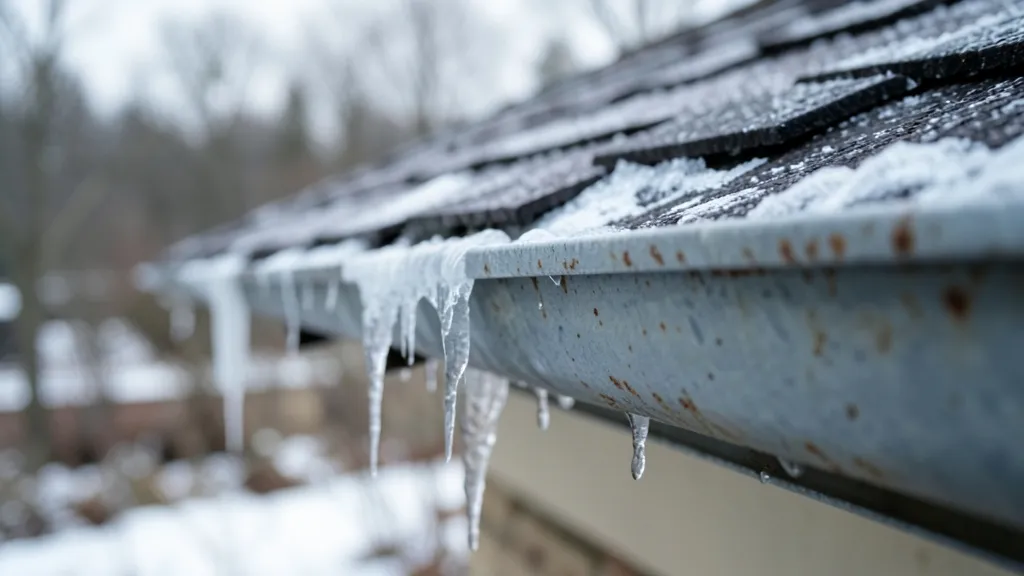
Gutters in our area take a beating—heavy spring rains, autumn leaves, and winter ice can wreak havoc if they’re not maintained. We’ve seen firsthand how neglect leads to costly damage, but a little prevention keeps water flowing where it should.
Why Martinsburg Gutters Fail Faster Than You Think
Our climate swings from humid summers to freezing winters, which accelerates wear on gutters. Freeze-thaw cycles crack seals, while summer storms flush debris into downspouts.
Pine needles from local trees cling to shingles and gutters, creating dense mats that trap moisture. This is especially common in neighborhoods near Hedgesville and Bunker Hill.
The 5 Most Common Gutter Problems We Fix
Clogged gutters and downspouts top the list. Leaves, twigs, and even roofing granules build up, blocking water flow and causing overflow that damages siding and foundations.
Sagging gutters often stem from clogs or improper pitch. Water pools, adding weight that pulls fasteners loose—especially in older homes around Inwood and Falling Waters.
Leaks at seams or end caps are frequent with aged or poorly sealed systems. Aluminum gutters expand and contract, stressing weak points over time.
Ice dams in winter are a silent menace. Poor attic insulation and ventilation let heat escape, melting snow that refreezes at the eaves, backing up under shingles.
Downspout issues—crushed, detached, or misaligned—send water dumping near the foundation. We often see this after heavy storms in Spring Mills.
| Problem | Primary Cause | Secondary Contributors |
|---|---|---|
| Clogged Gutters | Leaf and twig buildup | Pine needles, roofing granules, wind-blown debris |
| Sagging Gutters | Improper pitch or clogs | Loose fasteners, heavy water pooling, aged hangers |
| Leaking Seams | Failed sealant or corrosion | Thermal expansion, poor installation, age |
| Ice Dams | Poor attic ventilation | Insufficient insulation, freeze-thaw cycles |
| Downspout Damage | Physical impact or misalignment | Storms, improper installation, debris blockages |
How Often Should You Clean Gutters in Martinsburg?
Twice a year is the baseline: once in late spring after pollen season, and again in late fall after leaves drop. This schedule works for most homes in our area.
But if you’re surrounded by mature trees—especially pines or oaks—you may need quarterly cleanings. Neighborhoods like those near Falling Waters or Inwood often fall into this category.
After major storms, always inspect. High winds can dump branches and debris, and a quick cleanup prevents long-term issues. Storm damage gutter cleanup is a service we handle often.
If you notice water spilling over the sides during rain, don’t wait for the next scheduled cleaning. Clogs can form quickly, especially after heavy downpours.
Signs You’re Overdue for a Gutter Cleaning
Water overflowing during rain is the most obvious red flag. If gutters can’t handle the flow, they’re likely clogged.
Stains or mildew on siding or fascia boards indicate water isn’t draining properly. This is often a sign of hidden clogs or improper pitch.
Sagging sections or gutters pulling away from the roof mean weight stress—usually from trapped water or debris. Ignoring this can lead to costly repairs.
Pests like mosquitoes or carpenter ants nesting in gutters are a sure sign of standing water and decaying organic matter.
When to Call a Pro
- Gutters are visibly sagging or detached
- Water pools around your foundation after rain
- You spot rust, cracks, or holes in the gutter troughs
- Downspouts are dented, crushed, or disconnected
- You’re uncomfortable working on a ladder or roof
Preventative Measures to Extend Your Gutters’ Life
Gutter guards reduce debris buildup but aren’t maintenance-free. They still need periodic checks, especially in areas with heavy pine needle fall.
Regular inspections catch small issues before they escalate. We recommend a roof and gutter inspection at least once a year, ideally in early spring.
Proper pitch is critical. Gutters should slope ¼ inch for every 10 feet toward downspouts. If water pools, resealing and resloping may be needed.
Seamless gutters minimize leak points. If your system is older or showing wear, gutter repair or replacement might be more cost-effective long-term.
Homes in windy areas like Bunker Hill may need more frequent inspections. High winds can loosen fasteners or dislodge downspouts faster than in sheltered neighborhoods.
When to Repair vs. Replace Your Gutters
Minor issues like small leaks or loose hangers can usually be repaired. Resealing seams or replacing a few fasteners often restores functionality.
If gutters are rusted through, cracked in multiple spots, or pulling away from the fascia, replacement is the smarter choice. Aluminum and copper gutters last longer but require professional installation.
For commercial properties, gutter cleaning and repair needs differ. Larger systems and higher roofs often demand specialized equipment and scheduling.
DIY vs. Professional Gutter Cleaning: What’s Safe?
Cleaning gutters yourself is doable if you have a sturdy ladder, gloves, and a hose. But it’s risky—especially for multi-story homes or steep roofs.
Professionals bring the right tools, safety gear, and experience to spot hidden issues. We also handle gutter guard installation, downspout repair, and resealing as part of a comprehensive service.
If you’re unsure, start with a quote. We’ll assess your system’s condition and recommend a plan tailored to your home’s needs and local risks.
Never lean a ladder against gutters—they’re not designed to support that weight. Always place ladders on stable, level ground and have someone spot you.
How to Inspect Your Gutters Like a Pro
A quick visual check can reveal most gutter issues before they cause damage.
- 1Wait for Dry Weather
Inspect gutters on a dry, sunny day. Wet conditions can hide problems and make ladders unsafe.
- 2Check for Visible Debris
Look for leaves, twigs, or sediment in the troughs. Even small amounts can signal the start of a clog.
- 3Test the Pitch
Use a level to ensure gutters slope toward downspouts. If water pools in sections, the pitch may need adjustment.
- 4Examine Seams and Joints
Look for gaps, cracks, or rust at seams, end caps, and downspout connections. These are common leak points.
- 5Run a Hose Test
Spray water into the gutters with a hose. Watch for overflows, leaks, or improper drainage to downspouts.
- 6Inspect Downspouts
Ensure downspouts are securely attached and direct water at least 5 feet away from the foundation.
Frequently Asked Questions
How do I know if my Martinsburg home needs gutter guards?
If you’re cleaning gutters more than twice a year or dealing with frequent clogs, gutter guards could be a smart investment. They’re especially useful for homes surrounded by trees. However, they’re not a substitute for all maintenance—periodic checks are still needed.
Can clogged gutters really damage my roof?
Absolutely. Clogged gutters cause water to back up under shingles, leading to roof leaks, rot, and even structural damage to the decking. In winter, this can contribute to ice dam formation, which exacerbates the problem.
When should you clean gutters in West Virginia?
Late spring and late fall are ideal. Spring cleaning removes pollen and seed pods, while fall cleaning clears leaves before winter. If you have heavy tree cover, consider adding a mid-summer cleaning.
Are seamless gutters worth the investment for my home?
Seamless gutters reduce the risk of leaks and require less maintenance. They’re custom-fitted to your home, which also improves aesthetics. For many homeowners in our area, the upfront cost is offset by long-term durability and fewer repairs.
Do you service areas outside Martinsburg, like Hedgesville or Falling Waters?
Yes, we serve Martinsburg and surrounding communities, including Hedgesville, Inwood, Falling Waters, Spring Mills, and Bunker Hill. Our team is familiar with the local climate and common gutter issues in each area.
How long does a typical gutter cleaning take?
For an average single-story home, a thorough cleaning usually takes 1-2 hours. Larger homes, multi-story buildings, or those with extensive debris may take longer. We always provide an estimate upfront.