Martinsburg’s Seasonal Gutter Maintenance Guide: Year-Round Protection
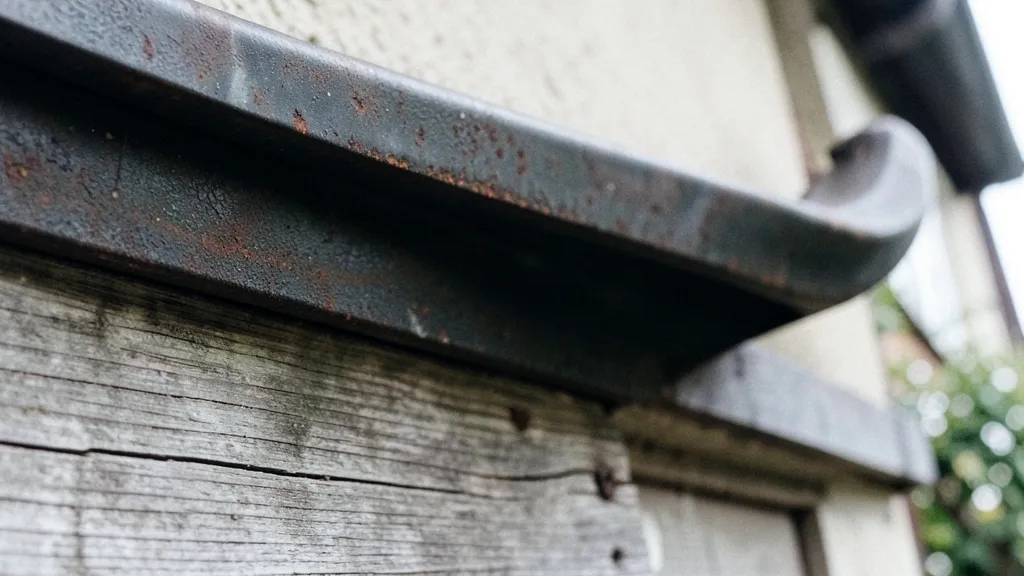
West Virginia’s four distinct seasons bring unique challenges to your home’s gutter system. Without proper seasonal upkeep, clogs, ice dams, and overflow can lead to costly damage. We’ve cleaned and repaired gutters across Martinsburg, Hedgesville, and Inwood—here’s how to keep yours flowing smoothly all year.
Why Seasonal Gutter Maintenance Matters in Our Climate
Martinsburg’s humid summers and snowy winters put gutters to the test. Heavy spring rains can overwhelm clogged systems, while fall’s oak and maple leaves create dense blockages. Winter’s freeze-thaw cycles then turn trapped water into ice dams, risking roof and fascia damage.
Neglect leads to overflow, which erodes landscaping, damages siding, and even floods basements. Proactive maintenance prevents these issues and extends the life of your gutters and downspouts.
Ice dams form when melted snow refreezes at the roof’s edge. Clogged gutters worsen this by trapping water, increasing the risk of leaks into your home.
Spring: Clearing Winter’s Leftovers and Prepping for Rain
Spring is the busiest season for gutter cleaning in our area. Winter debris—twigs, pine needles, and sediment—must be removed before April showers hit. We often find compacted organic matter that’s nearly as hard as concrete.
Check for loose or sagging gutters after winter’s weight. Reseal end caps and miters if they’ve separated. Ensure downspouts direct water at least 5–10 feet from your foundation to prevent erosion.
Spring Gutter Checklist
- Remove all debris from gutters and downspouts
- Inspect for rust, cracks, or separated seams
- Test downspout flow with a hose
- Re-seal or re-slope gutters if needed
- Trim overhanging branches near the roofline
Summer: Storm Readiness and Early Pest Prevention
Summer storms in the Eastern Panhandle can drop inches of rain in an hour. Clean gutters ensure water is channeled away quickly, reducing the risk of overflow and foundation damage. This is also when pests like mosquitoes and carpenter ants start nesting in damp, debris-filled gutters.
If you notice standing water in your gutters after a storm, it’s a sign they’re not pitched correctly. We often adjust the slope during summer cleanings to improve drainage before fall’s heavier leaf drop.
Fall: The Critical Season for Leaf Management
Fall is the most demanding season for gutters in Martinsburg, Hedgesville, and Bunker Hill. Oak, maple, and hickory trees shed leaves that mat together, creating a near-impenetrable barrier. Even gutter guards need inspection—small debris can accumulate on top, reducing effectiveness.
We recommend cleaning gutters at least twice in fall: once in early October after the first leaf drop, and again in late November after the last trees shed. This prevents winter ice dams and ensures downspouts remain clear.
| Debris Type | Standard Guards | Reverse-Curve Guards | Screen Guards |
|---|---|---|---|
| Pine needles | Moderate | High | Low |
| Oak leaves | High | Moderate | High |
| Maple seeds | Low | High | Moderate |
| Twigs | Low | Moderate | Low |
Winter: Ice Dam Prevention and Mid-Season Checks
Winter maintenance is about prevention. After each significant snowfall, check for ice buildup at the roof’s edge. If gutters are clogged, melting snow can’t drain, leading to ice dams that force water under shingles.
We also inspect for sagging gutters under snow load—common in older systems. If you can safely do so, use a roof rake to remove snow from the lower 3–4 feet of your roof to reduce ice dam risk.
Never climb a ladder in icy conditions. Use binoculars from the ground to check for ice dams or sagging gutters, or call a professional for a roof and gutter inspection.
Gutter Materials: How They Handle Martinsburg’s Seasons
Aluminum gutters are the most common in our area—they’re lightweight, rust-resistant, and handle temperature swings well. Copper gutters, while more expensive, develop a protective patina and last decades with minimal maintenance.
Vinyl gutters are budget-friendly but can become brittle in extreme cold, leading to cracks. Steel gutters are durable but prone to rust if not properly maintained, especially in our humid summers.
When to Call a Pro: Signs Your Gutters Need Expert Attention
Some issues require professional tools and expertise. If you see water stains on your siding or foundation, or if gutters pull away from the fascia, it’s time for a pro. We also handle storm damage cleanup, often needed in areas like Falling Waters and Spring Mills after heavy winds.
Persistent overflow, even after cleaning, may indicate improper slope or damaged downspouts. Our team can re-pitch gutters or install larger downspouts to handle Martinsburg’s heavy rainfall.
How to Safely Clean Your Gutters Between Professional Visits
Regular DIY maintenance can extend the time between professional cleanings.
- 1Gather the Right Tools
Use a sturdy ladder, gloves, a gutter scoop or trowel, and a bucket with a hook for debris. A hose with a spray nozzle helps flush downspouts.
- 2Start Near a Downspout
Work from the downspout toward the opposite end to avoid pushing debris into already-cleaned sections. Remove large clumps by hand or with a scoop.
- 3Flush the System
After removing debris, use a hose to flush the gutters and downspouts. If water doesn’t drain, the downspout may be clogged—use a plumber’s snake or call a pro.
- 4Inspect for Damage
Check for rust, cracks, or separated seams. Look for water stains or sagging sections, which may indicate improper slope or structural issues.
- 5Clear the Roof and Surroundings
Remove leaves and twigs from the roof to prevent future clogs. Trim overhanging branches to reduce debris buildup.
Frequently Asked Questions
How often should I clean my gutters in Martinsburg?
We recommend cleaning gutters at least twice a year—once in spring and once in fall. However, homes near wooded areas in Inwood or Bunker Hill may need 3–4 cleanings annually due to heavy leaf and pine needle drop.
Can gutter guards eliminate the need for cleaning?
Gutter guards reduce maintenance but don’t eliminate it. They prevent large debris from entering, but small particles can still accumulate and require occasional cleaning. Some types, like reverse-curve guards, perform better with pine needles common in our area.
What’s a way to prevent ice dams in winter?
Ensure your gutters are clean and properly sloped before winter. Add insulation to your attic to reduce heat loss, and use a roof rake to remove snow from the lower roof after storms. If ice dams persist, consider heat cables or a professional inspection.
Do I need to clean my downspouts separately?
Yes. Downspouts can clog independently of gutters, especially at the elbow or base. We often find clogs from pine needles or small leaves that bypass gutter guards. Flush them with a hose or use a plumber’s snake for stubborn blockages.
How do I know if my gutters are properly sloped?
Stand at one end of a gutter run and look down its length. You should see a slight downward angle toward the downspout. If it’s level or sagging, water won’t drain properly. Our team can re-pitch gutters during a cleaning or repair visit.
Are seamless gutters worth the investment for Martinsburg homes?
Seamless gutters reduce the risk of leaks at joints, which is especially valuable in our freeze-thaw climate. They’re custom-fitted to your home and typically last longer than sectional gutters. For homes in storm-prone areas like Falling Waters, they’re a smart upgrade.